In-between role
Learning by doing, while gradually taking the lead

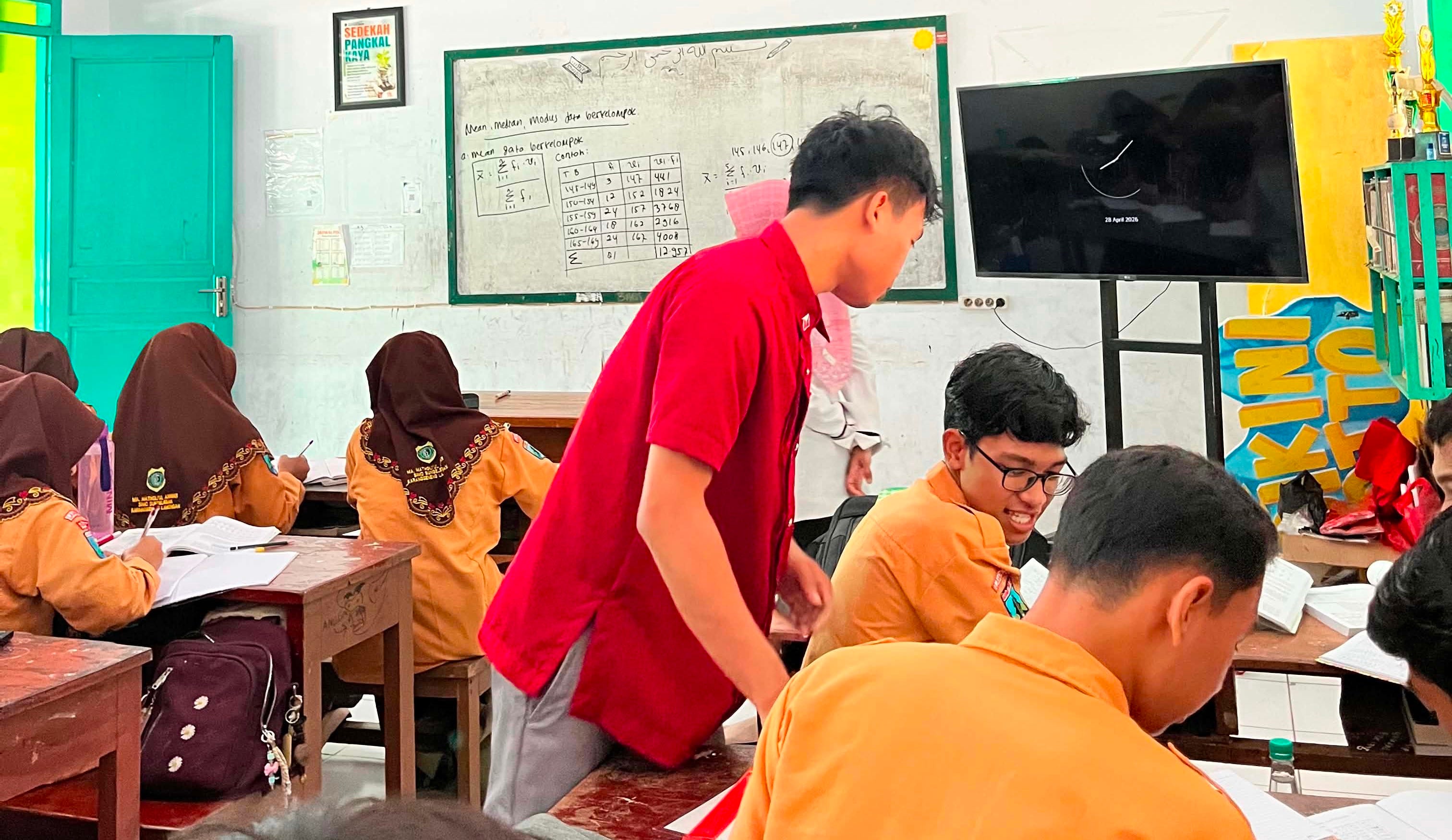
After being observant, it was time for me to semi-apply my teaching style in the classroom. This was the first time I felt a little nervous, and thoughts came to mind such as, “What if they are not interested in my activity?” and “What if some students just fool around?” I had also asked my cooperating teacher what I could do to assist the class. I took the initiative to prepare a motivation activity and studied the topic they were going to discuss so that I would be able to assist Bu Livia, especially the boys seated at the back.
Prior to this, our supervisor instructed us that we would have two days of assisting, followed by a demonstration—not a final one, but more like a practice so we could adjust and not be surprised during our final demonstration. When we introduced ourselves to the class, students from all my assigned classes showed that they loved physical activities or games. This gave me the idea to integrate games into my future lessons. My goal was to help students understand and solve math while incorporating movement so they would not feel bored. So, I crafted a blueprint on how I would assist Bu Livia in every class.
First, I ensured that I incorporated games related to the topic I would discuss. Second, I helped Bu Livia check students’ understanding by guiding them on how to solve problems, particularly in finding the mode of grouped data. Last but the crucial one is ,I aimed to create a bond with my students so they would feel comfortable expressing their ideas and concerns in English.
That was my initial plan, but things did not go as I expected. One class had a different topic, so I needed to think quickly and act as if I were prepared. I improvised my motivation activity, and it turned out that the students were dancing to math-related moves. After that, I carefully listened to Bu Livia’s discussion to refresh my knowledge of the topic. I was back on track and continued helping the students understand the lesson, especially the boys at the back, by re-teaching them.
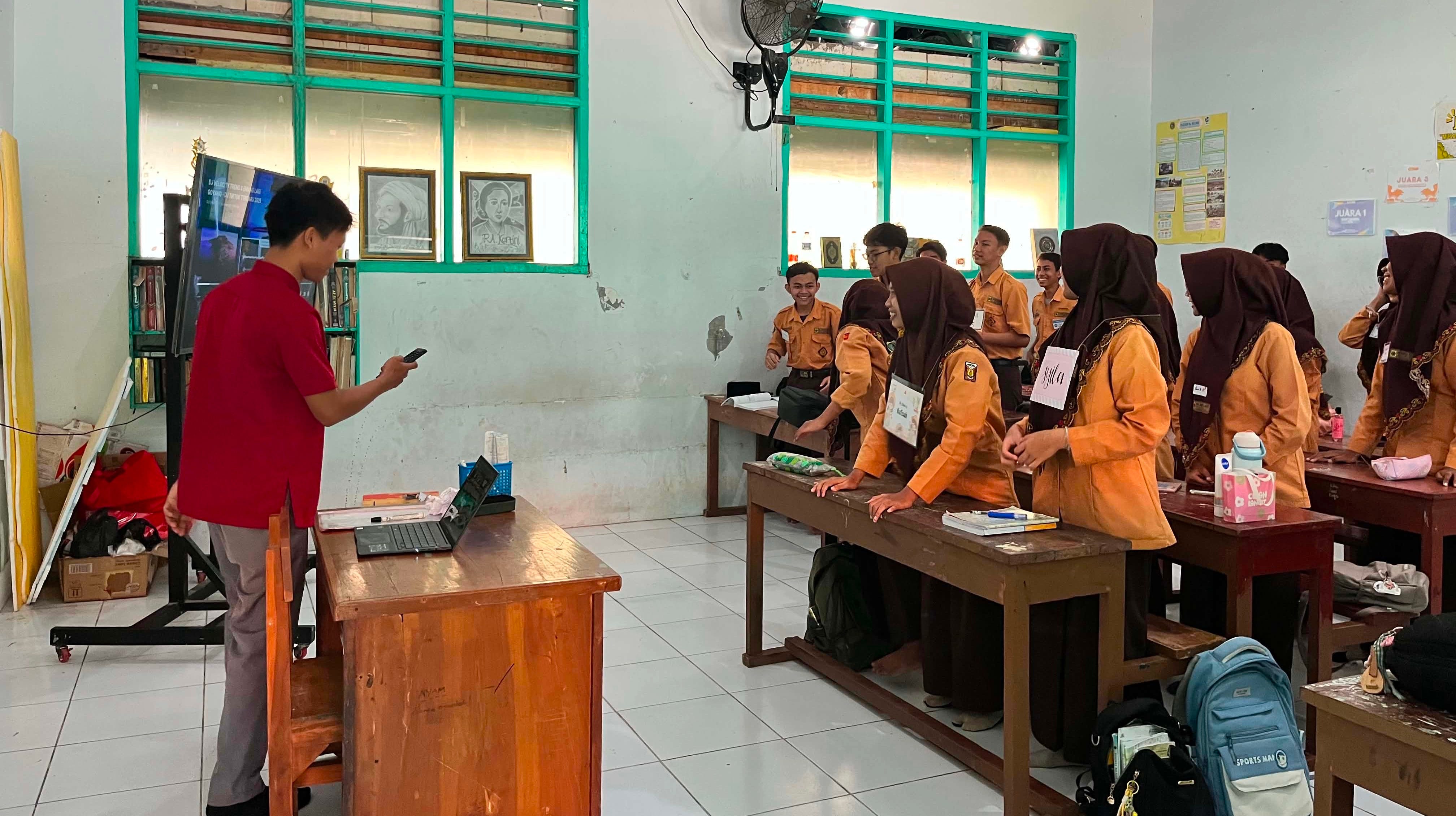
At the end of the two days of assisting, I can say that my plan was fulfilled. I was able to implement one icebreaker—mathematics dance moves—and two games: cabbage peeling and Mathematics charades. Most importantly, I was able to create a bond with my students. They expressed that they wanted to see me again in the next session, asked for more games, and wanted more of my lessons. Some students even said, “I understand better when Sir Ivan teaches Math,” which served as my motivation for the next class. I am very satisfied with the results of my assistantship. I feel motivated to do more and improve in my next discussion, and I was able to create a connection that contributes to a more conducive learning environment.
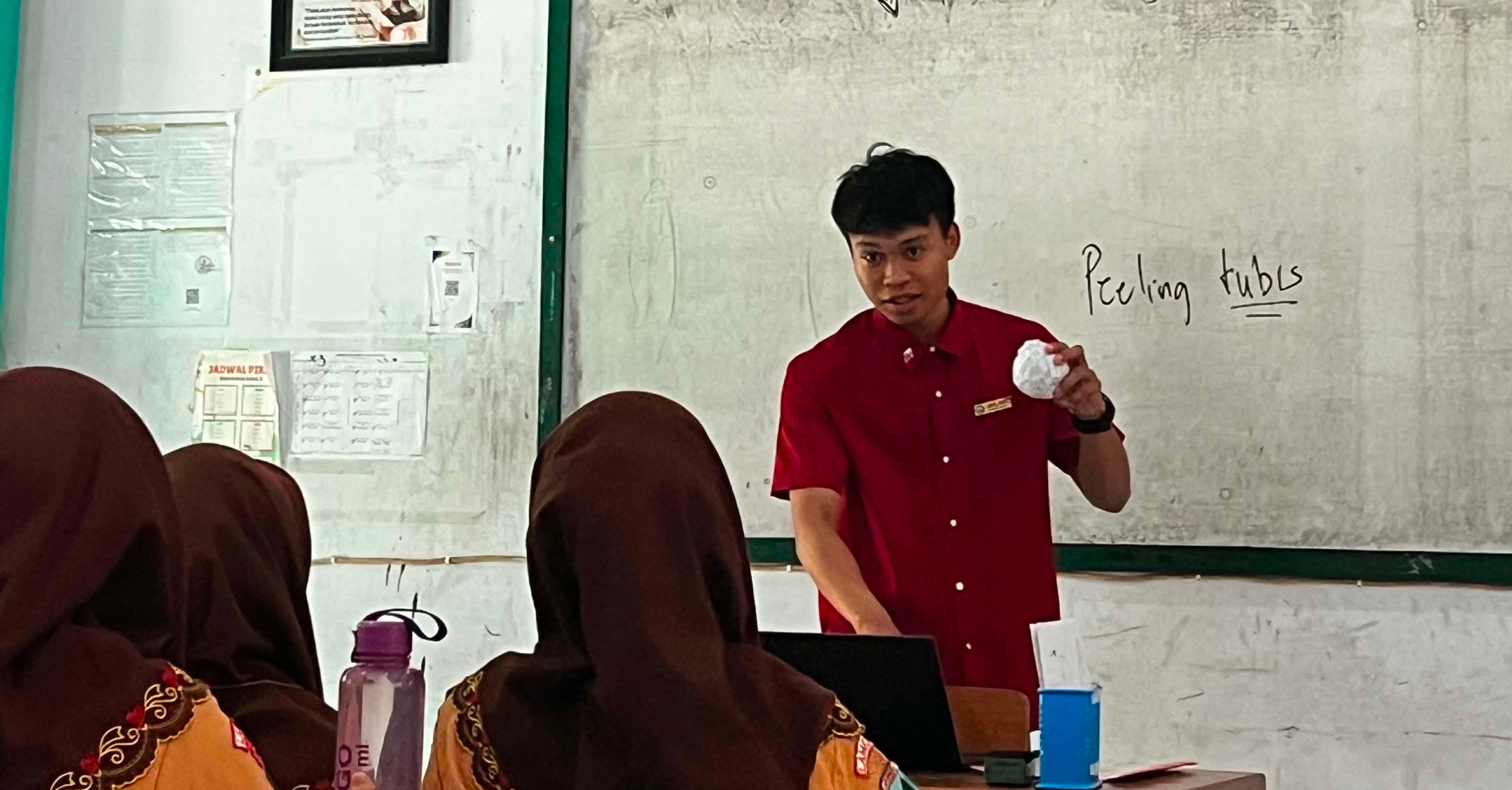
But that was only the beginning; the next phase is where I take the lead.